
When a hydrophilic VPS impression fails around a wet subgingival margin, we first separate three different problems: the material did not wet the surface, the material reached the margin but was displaced, or the margin was recorded but damaged during removal. These failures look similar in the laboratory, but they require different technical corrections.
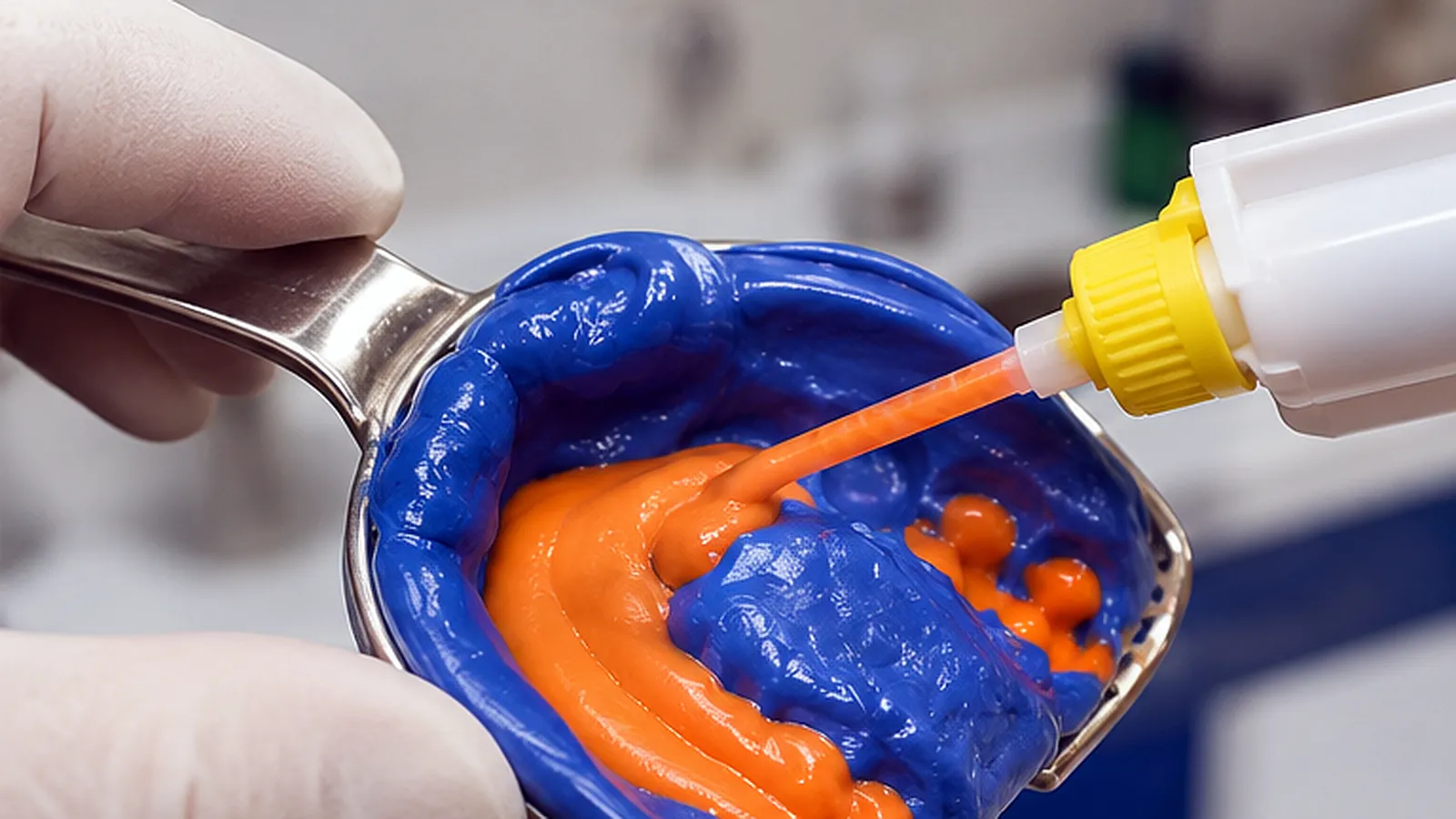
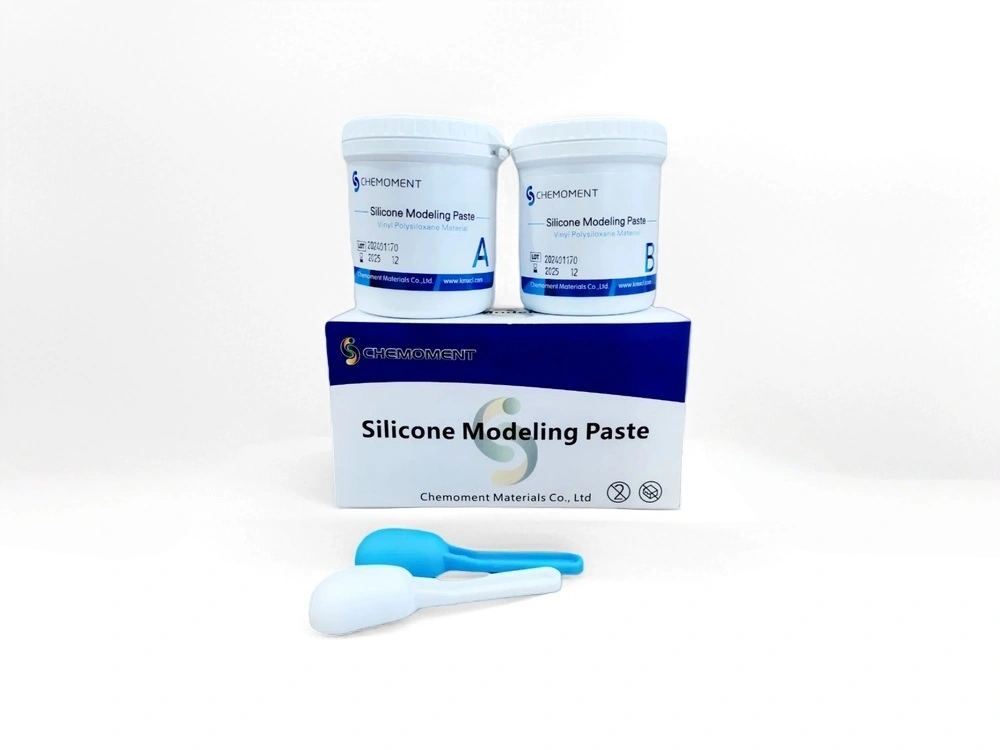
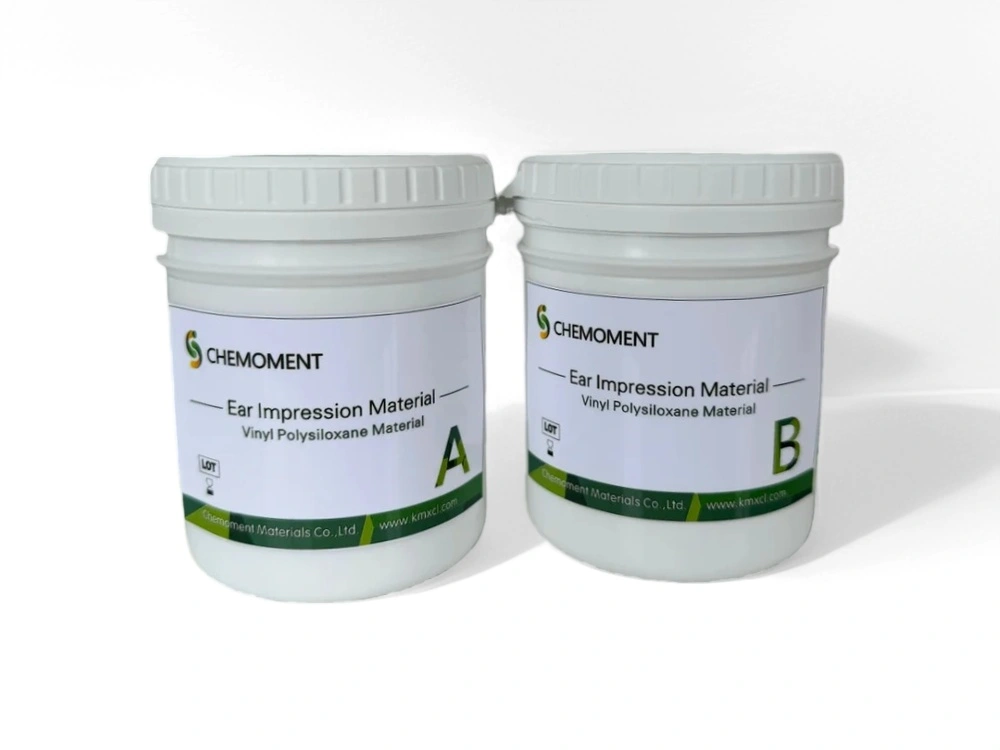
At Chemoment, we position Light Body VPS Impression Material as the fine-detail layer of the impression system. Its hydrophilic behavior and low viscosity help it reach narrow margins, but the final result also depends on field control, wash-layer support, cartridge mixing, setting time and removal stability.
Hydrophilic VPS can improve contact with minor residual moisture. It cannot remove pooled fluid, stop uncontrolled bleeding or compensate for a preparation margin that remains covered or unstable.
The First Diagnosis: Three Different Wet-Field Failures
| What happened | What it usually indicates | What we check first |
|---|---|---|
| The material never reached part of the margin | Fluid, limited access or an interrupted syringe path | Margin exposure and continuous material placement |
| The material reached the margin but moved away | Excessive flow, insufficient support or tray movement | Light Body flow and Putty/Heavy Body support |
| The margin was recorded but tore during removal | Thin wash layer, incomplete set or removal stress | Wash-layer stability, setting time and elastic recovery |
This classification is important because changing to a more hydrophilic material will not correct every type of failure.
Hydrophilic Behavior Does Not Displace Pooled Fluid
Our Light Body VPS is designed to improve wetting where minor residual moisture remains around the preparation. This is useful because a completely dry subgingival field is difficult to maintain in many clinical procedures.
Minor moisture and active fluid accumulation create different conditions. A thin moisture film may still allow the unset VPS to contact the tooth surface. Pooled saliva, sulcular fluid or blood can separate the material from the finish line and prevent it from reaching the deepest area.
When a customer reports that a hydrophilic VPS still produced a void, we do not immediately classify it as a material failure. We first ask whether the defect is located exactly where fluid could collect. A single void at the distal or subgingival margin often points to a local field problem rather than a failure of the entire material batch.
For a useful diagnosis, the clinical team should check:
- Whether the finish line was fully exposed;
- Whether excess fluid remained in the sulcus;
- Whether the syringe tip stayed within the advancing material;
- Whether the material reached the entire margin before tray seating;
- Whether the tray was seated without rocking or lateral movement.
Why Light Body VPS May Move Away from the Preparation
Light Body VPS must flow into fine margins, proximal areas and narrow gingival spaces. Our Light Body formulation is therefore designed for controlled low-viscosity dispensing and fine-detail reproduction.
However, flow alone does not determine whether the margin will be captured. If the material moves too easily after placement, it can run toward the sulcus or be displaced when the tray is seated. The result may be a continuous impression on the occlusal surface but an incomplete wash layer around the preparation.
When we evaluate this problem, we look at the balance between:
- Flow into the narrowest part of the margin;
- Ability to remain around the preparation;
- Elastic recovery after removal;
- Compatibility with the supporting tray material;
- Working time available for syringe placement and tray seating.
A material that flows more easily is not automatically a better material for every wet subgingival case. It must flow into the margin and remain there until the supporting material stabilizes the impression.
Why We Use Light Body with Putty or Heavy Body
We do not position Light Body VPS as a replacement for the tray-support material. It is the detail layer. The supporting Putty or Heavy Body material maintains the overall impression shape and limits movement during tray seating.
| Material | Main role in the system | Published reference data at 23°C |
|---|---|---|
| Light Body VPS | Fine detail around margins and gingival areas | 1:30 working time; 3:30 time in mouth; 5:00 setting time; Shore A 50±2 |
| Hydrophilic VPS Putty | Tray support and overall impression stability | 1:30 total working time; 2:30 time in mouth; 4:00 setting time; Shore A 60±2 |
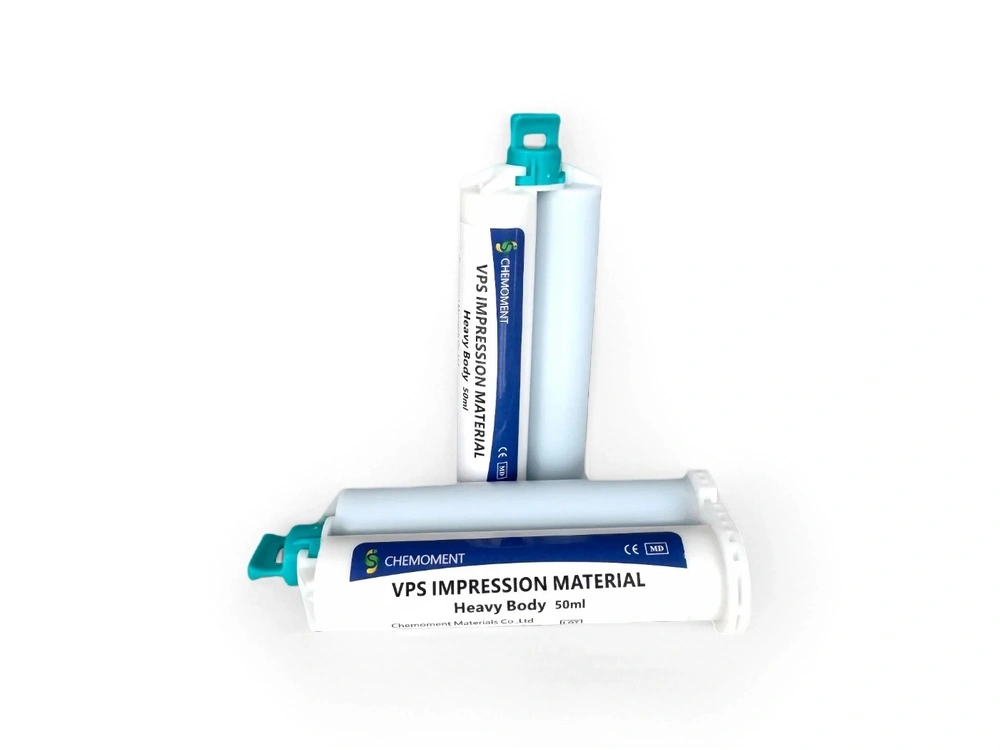
| Heavy Body VPS | Higher-body tray material for supported wash techniques | 1:30 working time; 3:30 time in mouth; 5:00 setting time; Shore A 60±2 |
The purpose of combining these materials is to control the relationship between fine detail and structural support. If the tray material does not provide enough support, the Light Body layer can move. If the wash space is too limited, the Light Body layer can become excessively thin and tear during removal.
Wash-Layer Thickness Determines Whether the Margin Survives Removal
A wet-field impression may appear accurate immediately after removal but fail when the technician inspects the thin wash layer. The material may have reached the margin, yet the layer can be too thin to withstand removal from a deep undercut.
We therefore evaluate the wash layer at three stages:
- After the tray is seated;
- After the material has reached its expected set;
- After the impression has been removed along the path of insertion.
If the margin disappears only after removal, the main issue is not necessarily hydrophilicity. The cause may be insufficient wash-layer thickness, incomplete curing, excessive undercut stress or inadequate tray support.
Our Hydrophilic VPS Putty is specified with elasticity, tear resistance and recovery from deformation as key product characteristics. These properties are important because the supporting impression material must help the complete system remain stable during removal.
Working Time and Setting Time Must Match the Actual Procedure
Our product data is measured at 23°C. The usable working window can change when the material, cartridge or operatory temperature changes.
For Light Body VPS, the published reference values are:
- Total working time: 1 minute 30 seconds;
- Time in mouth: 3 minutes 30 seconds;
- Setting time: 5 minutes;
- Final hardness: Shore A 50±2.
If the material is dispensed too early, part of the available working time is consumed before the syringe reaches the margin. If the tray is removed before the material reaches its final set, the thin wash layer may deform even when the margin initially looks clear.
We recommend evaluating the complete sequence rather than looking only at the number printed in the technical data: dispensing, syringing, tray seating, intraoral setting and removal must all fit within the same workflow.
Unmixed Material Can Look Like a Moisture Failure
A partially mixed material may produce a soft streak or incomplete detail that is easily mistaken for a wet-field problem.
Our Light Body and Heavy Body VPS products use a 50 ml + 50 ml cartridge format with mixing tips. When we troubleshoot a cartridge-related failure, we check:
- Whether the cartridge is seated correctly;
- Whether the mixing tip is fully attached;
- Whether the first material has been purged;
- Whether the extruded material has a uniform color;
- Whether the dispensing pressure is consistent;
- Whether the material has been stored correctly.
Color streaks, local softness or different hardness within one impression indicate that the mixing process should be checked before changing the VPS formulation.
How to Distinguish Wetting Failure from Removal Failure
| Observed defect | Most likely source | Product-related check |
|---|---|---|
| Void at one subgingival point | Local fluid or incomplete material access | Light Body placement and field condition |
| Material runs away from the preparation | Insufficient support or excessive movement | Light Body with Putty or Heavy Body |
| Soft streak after setting | Incomplete cartridge mixing | Cartridge, mixing tip and purge process |
| Thin wash layer tears | Insufficient support, early removal or deep undercut | Putty support and Light Body setting time |
| Impression changes shape after removal | Insufficient elastic recovery or incomplete set | Final hardness and removal timing |
How We Evaluate a Wet Subgingival VPS Workflow
When we review a VPS sample or troubleshoot an application with a customer, we keep the material system and operating conditions consistent. Our evaluation sequence is:
- Use the intended Light Body and Putty or Heavy Body combination;
- Keep the material and operatory close to the target working temperature;
- Use the specified cartridge and mixing-tip format;
- Inspect the margin immediately after removal;
- Check the wash layer under magnification;
- Compare the impression after the planned transport or laboratory handling period;
- Record whether the defect occurred before or after removal.
This approach allows us to determine whether the failure came from wetting, fluid accumulation, material displacement, incomplete mixing, curing time or removal stress.
Our Technical Conclusion
Hydrophilic VPS does not fail simply because the field contains moisture. It fails when the complete impression system cannot control the relationship between moisture, material flow, wash-layer support, curing and removal.
Our Light Body VPS is designed to record fine margins and gingival details. Our Hydrophilic Putty and Heavy Body VPS provide the support needed to maintain the impression during tray seating and removal. The correct selection therefore depends on the complete system rather than the hydrophilic label alone.
When a wet subgingival impression fails, the most useful diagnosis is to determine which of these three events occurred:
- The material did not wet or reach the margin;
- The material reached the margin but was displaced;
- The material recorded the margin but was damaged during removal.
Once the failure is classified correctly, we can select the appropriate Chemoment VPS combination and adjust the workflow without relying on trial-and-error product changes.
FAQ
Can hydrophilic VPS work in a completely wet subgingival field?
Hydrophilic VPS is intended to improve wetting under minor residual moisture. Pooled fluid, uncontrolled bleeding and incomplete margin exposure can still prevent accurate detail reproduction.
Does lower viscosity always improve subgingival accuracy?
No. Lower viscosity helps the material reach narrow areas, but the material must also remain around the preparation and maintain an intact wash layer during tray seating and removal.
Why should Light Body VPS be used with Putty or Heavy Body?
Light Body records fine detail, while Putty or Heavy Body provides the bulk and support required to limit tray movement and wash-layer displacement.
What should be checked when only one part of the margin is missing?
Check local fluid accumulation, margin access, syringe placement and whether the material reached that section before tray seating. A localized defect does not necessarily indicate a complete material failure.
Why should the cartridge be checked before changing the material?
An incorrectly seated cartridge, blocked mixing tip or incomplete purge can produce soft streaks and incomplete curing that resemble a moisture-related failure.