
Light Body vs Medium Body vs Heavy Body VPS: Which Impression Material Should You Choose?
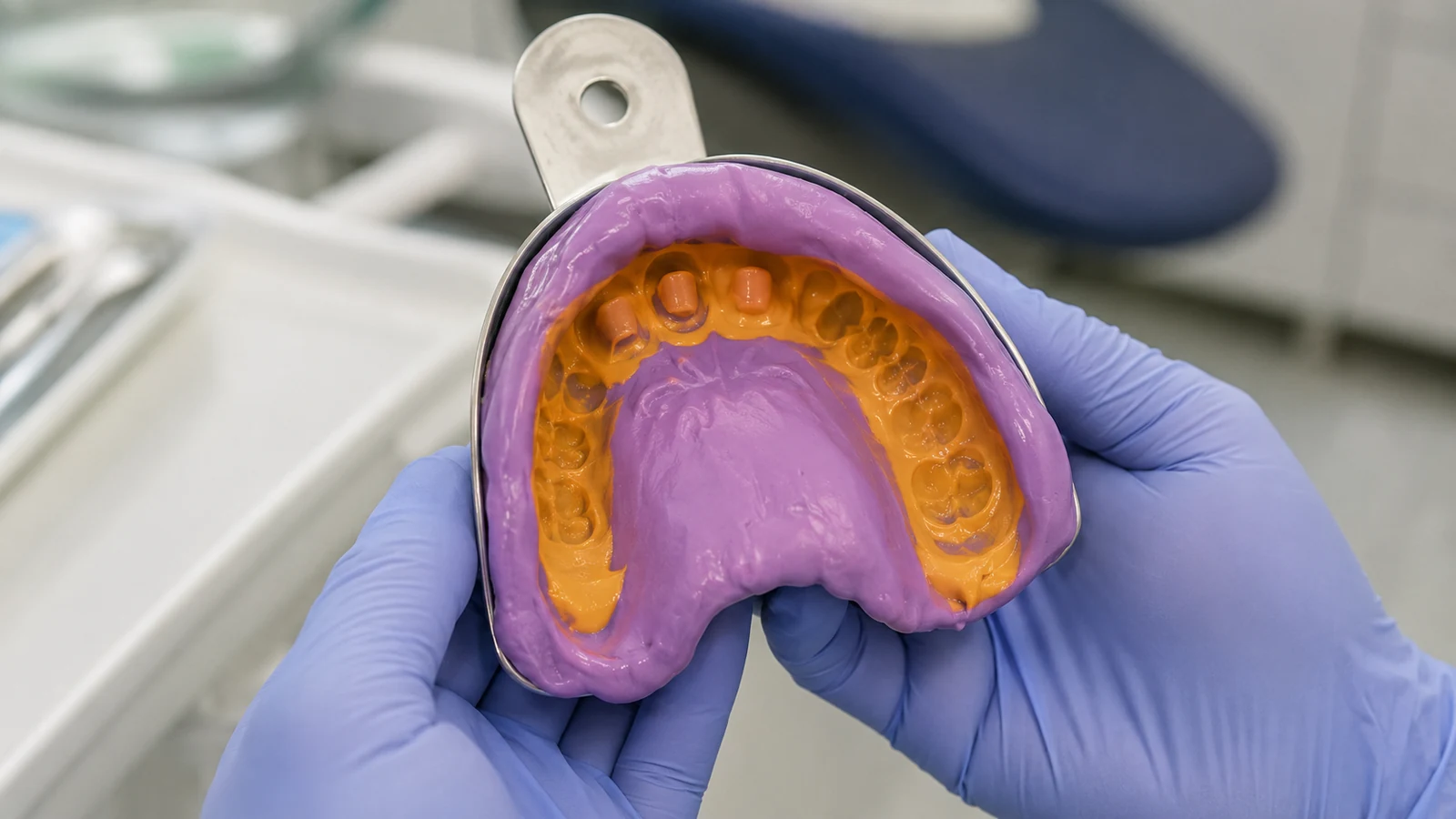
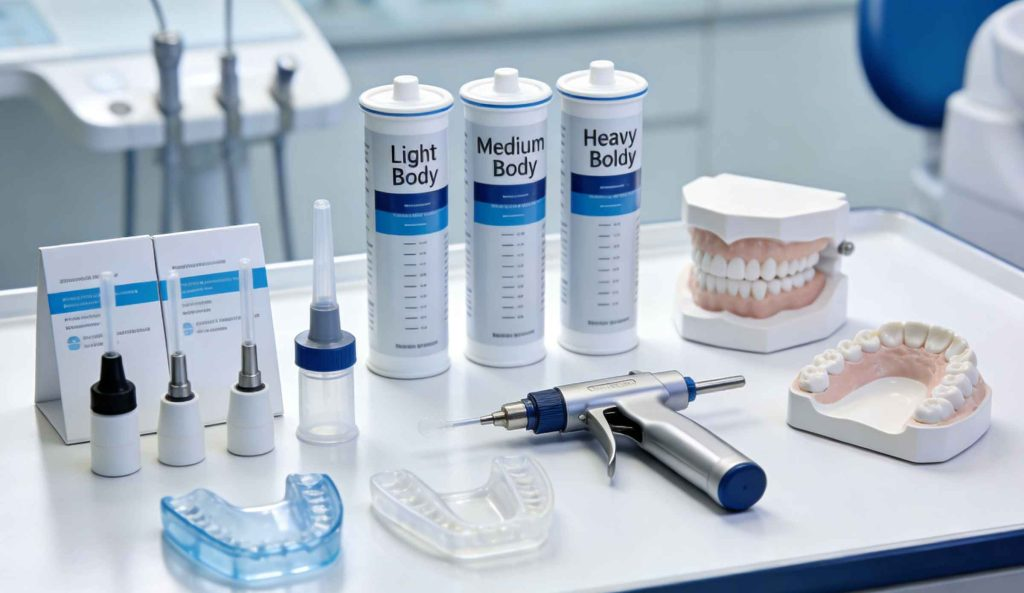
Light body, medium body, and heavy body VPS impression materials are selected according to viscosity, clinical role, handling behavior, and the level of support required in the impression workflow. They should not be treated as interchangeable products, because each viscosity level serves a different function.
For dental clinics, choosing the wrong viscosity may affect margin detail, tray stability, removal accuracy, and chairside efficiency. For distributors and OEM buyers, viscosity selection also affects product line structure, sample evaluation, customer communication, and repeat-order stability.
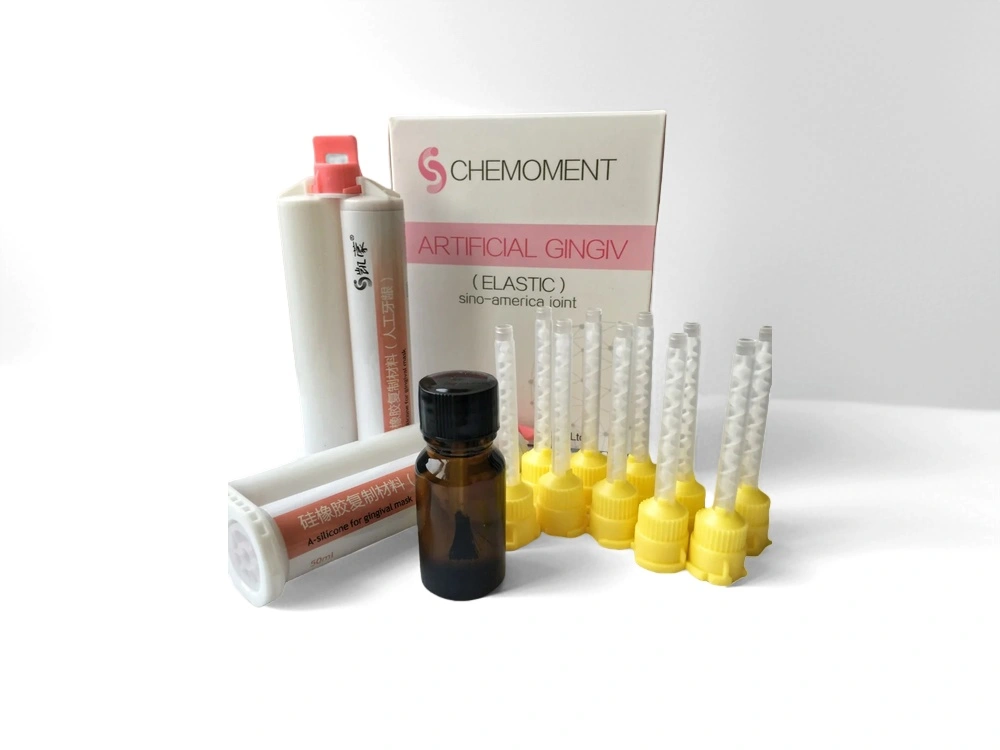
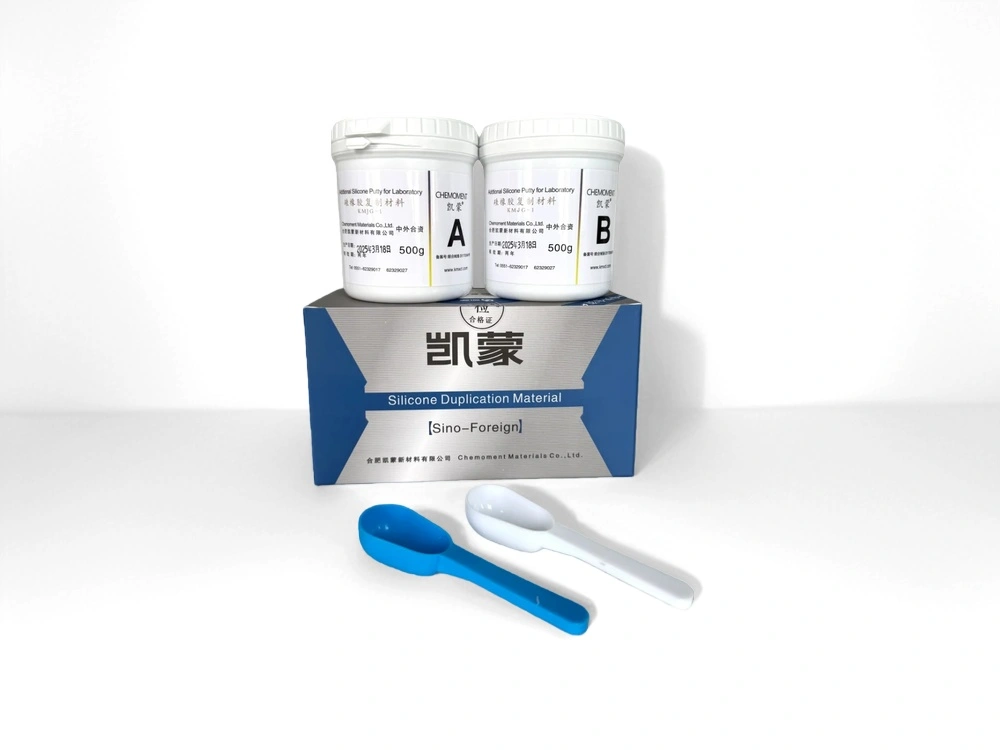
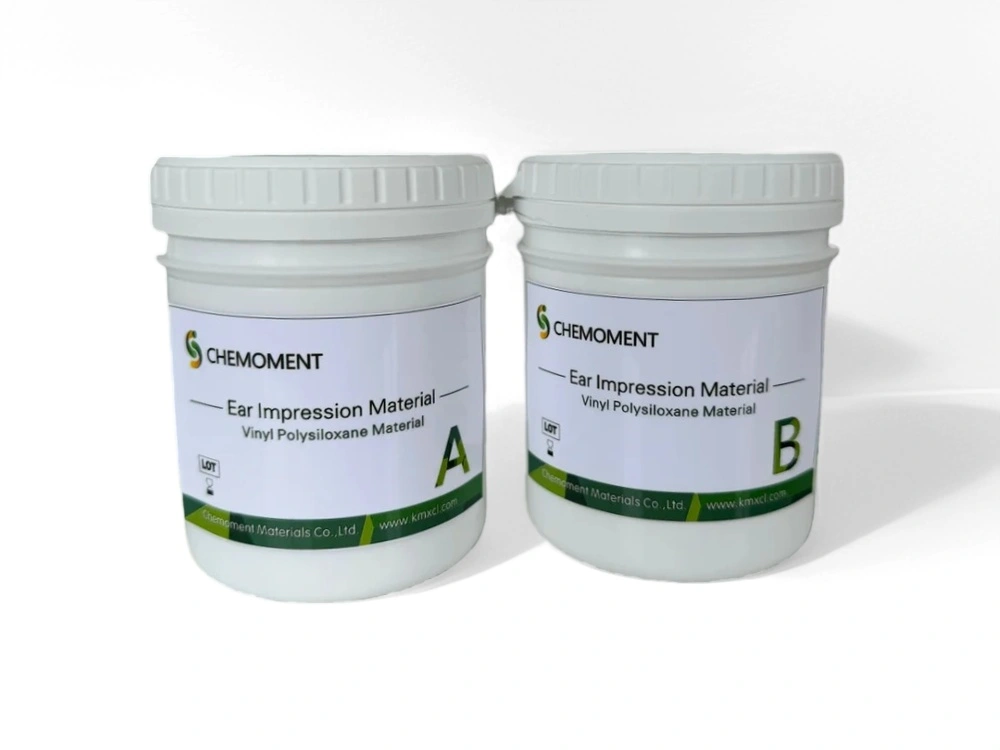
This guide compares light body, medium body, and heavy body VPS materials by clinical use, flow behavior, support level, timing requirements, and sourcing considerations. Buyers evaluating a broader clinic-use material range may also review dental VPS impression materials for related product options.
Quick Comparison: Light Body vs Medium Body vs Heavy Body VPS
| Comparison Point | Light Body VPS | Medium Body VPS | Heavy Body VPS |
|---|---|---|---|
| Viscosity Level | Low viscosity | Medium viscosity | High viscosity |
| Main Function | Fine detail capture | Balanced flow and support | Tray support and structural stability |
| Typical Use | Wash material for margins and detailed areas | General impression use or simplified product selection | Tray material, support material, or heavy body-wash workflow |
| Flow Behavior | Highest flow among the three | Moderate flow | Lower flow with stronger body |
| Support Level | Limited support | Moderate support | Strong support |
| Detail Reproduction | Best suited for fine detail capture | Suitable for general detail capture | Usually paired with wash material for fine detail |
| Common Pairing | Putty or heavy body | May be used independently depending on workflow | Light body wash material |
| Buyer Evaluation Focus | Flow, hydrophilicity, tear resistance, detail accuracy | Handling balance, timing profile, versatility | Body stability, tray loading, reduced slump, dimensional stability |
The most suitable material depends on the intended clinical procedure. A material with higher flow is not automatically better, and a material with stronger body is not suitable for every impression case.
When to Choose Light Body VPS
Light body VPS is selected when the main requirement is fine flow and surface detail reproduction. Its lower viscosity allows the material to adapt to preparation margins, narrow areas, and detailed surfaces more effectively than higher-viscosity materials.
Light body VPS is commonly used for:
- Fine margin detail capture
- Crown and bridge impression workflows
- Wash material in putty-wash techniques
- Wash material in heavy body-wash techniques
- Areas where improved surface adaptation is required
Because light body material provides limited support, it is often used together with putty or heavy body material. The supporting material provides body and tray stability, while the light body captures fine details.
When to Choose Medium Body VPS
Medium body VPS is positioned between light body and heavy body. It provides more support than light body while maintaining better flow than heavy body. This makes it suitable for applications where buyers need a balanced handling profile.
Medium body VPS is commonly used for:
- General impression procedures
- Routine clinical workflows
- Cases requiring both flow and moderate support
- Clinics that prefer simplified viscosity selection
- Distributor product lines requiring a versatile daily-use option
Medium body material should not be treated as a universal replacement for light body or heavy body. Its value is balance. It may be suitable when the procedure does not require the highest level of fine flow or the strongest tray support.
When to Choose Heavy Body VPS
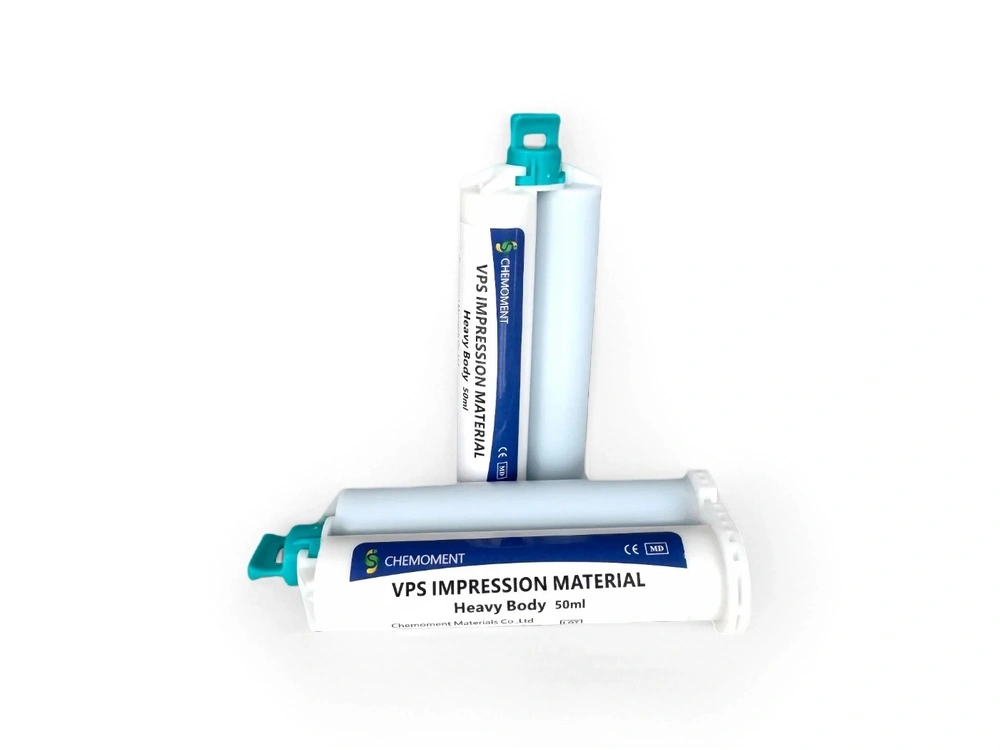
Heavy body VPS is selected when the impression workflow requires stronger body, tray support, and dimensional stability. Its higher viscosity helps maintain structure during tray loading, seating, and removal.
Heavy body VPS is commonly used for:
- Tray-based impression workflows
- Heavy body-wash techniques
- Cases requiring stronger structural support
- Procedures where reduced slump is important
- Combination workflows with light body wash material
Heavy body material is not primarily selected for fine detail capture. In many procedures, it is paired with light body material to balance support and detail reproduction. Buyers evaluating stronger support materials may also review the heavy body VPS impression material product option.
Clinical Selection by Impression Workflow
Different impression workflows require different viscosity combinations. Buyers should evaluate whether the procedure requires fine detail capture, body support, or a balance between both.
| Workflow | Common Material Choice | Selection Reason |
|---|---|---|
| Crown and Bridge Impression | Light body with putty or heavy body support | Light body captures margins while the support material maintains impression stability |
| Putty-Wash Technique | Putty + light body | Putty provides body; light body captures fine details |
| Heavy Body-Wash Technique | Heavy body + light body | Heavy body supports tray loading; light body captures detailed areas |
| General Impression Use | Medium body or selected combination | Medium body provides balanced handling for routine procedures |
| Cases Requiring Strong Tray Support | Heavy body | Higher viscosity helps improve body stability and reduce slump |
Do Not Select VPS Materials by Viscosity Alone
Viscosity is an important selection factor, but it should be evaluated together with timing, hydrophilicity, tear resistance, recovery, and dimensional stability. Two products with similar viscosity descriptions may behave differently in actual clinical use.
Buyers should compare:
- Working time
- Setting time
- Hydrophilicity
- Tear resistance
- Elastic recovery
- Dimensional stability
- Mixing format
- Packaging format
- Batch consistency
Working time and setting time are especially important because they affect mixing, placement, tray seating, removal timing, and chairside efficiency. Buyers who need a deeper comparison can review working time and setting time in VPS impression materials.

Selection Logic for Clinics, Distributors, and OEM Buyers
Different buyer types may evaluate the same material differently. A clinic may focus on clinical handling, while a distributor may focus on product range coverage. An OEM buyer may evaluate viscosity together with packaging, labeling, and market positioning.
| Buyer Type | Main Evaluation Concern | Recommended Selection Logic |
|---|---|---|
| Dental Clinics | Clinical handling and impression accuracy | Select viscosity according to procedure type, margin detail requirement, and tray support need |
| Distributors | Product line coverage and customer acceptance | Offer multiple viscosities to serve different clinic workflows and operator preferences |
| Clinic Groups | Workflow standardization | Select materials with stable timing, consistent handling, and repeatable batch performance |
| OEM Buyers | Private-label positioning and technical specification | Confirm viscosity range, timing profile, packaging format, labeling needs, and target market requirements |
| Dental Laboratories | Downstream accuracy and handling after setting | Evaluate stability, detail reproduction, recovery, and handling during model-related work |
Recommended VPS Product Line for Distributors
For distributors, a single viscosity is usually not sufficient to cover different clinical preferences. A more practical clinic-use VPS product line may include several viscosity levels and related materials.
| Product Type | Role in the Product Line |
|---|---|
| Putty Impression Material | Supports putty-wash and tray-based impression workflows |
| Light Body VPS | Captures fine detail around margins and prepared areas |
| Medium Body VPS | Provides balanced handling for general impression procedures |
| Heavy Body VPS | Provides stronger body and tray support |
| Bite Registration Material | Supports occlusal record taking |
Buyers planning a broader product range may also compare dental impression material types before deciding which products should be included in the initial purchase plan. For materials with different clinical purposes, the difference between putty and bite registration material should also be clearly understood.
Sample Evaluation Before Bulk Ordering
Sample evaluation should be based on the intended clinical workflow rather than product appearance or viscosity name alone. Buyers should test each material according to its intended function.
| Material Type | Sample Testing Focus |
|---|---|
| Light Body VPS | Flow, surface adaptation, detail reproduction, hydrophilicity, tear resistance, compatibility with support material |
| Medium Body VPS | Handling balance, flow control, timing profile, general-use suitability, stability after setting |
| Heavy Body VPS | Tray loading, body stability, reduced slump, dimensional stability, pairing with wash material |
For distributors and OEM buyers, sample approval should also be followed by batch consistency review. A material should remain stable not only during the first sample test, but also across repeat production and repeat orders.
Common Selection Mistakes
Several selection mistakes may lead to unsuitable material choice, unstable workflow, or poor customer feedback.
- Choosing light body material when stronger tray support is required
- Choosing heavy body material when the main requirement is fine detail capture
- Treating medium body as a universal replacement for all procedures
- Comparing viscosity without checking working time and setting time
- Ignoring compatibility between wash material and support material
- Selecting only one viscosity for a distributor product line
- Requesting samples without defining the intended workflow
Before requesting samples or quotations, buyers should clarify the application, required viscosity, timing expectations, packaging format, target market, and estimated quantity. A more structured quotation request can be prepared by referring to what information buyers should send before requesting a quote for VPS impression materials.
Final Point
Light body, medium body, and heavy body VPS materials should be selected according to clinical function rather than viscosity name alone. Light body is mainly used for detail capture, medium body provides a balanced handling profile, and heavy body supports tray stability and structural control.
For clinics, the correct viscosity should match the procedure and operator workflow. For distributors and OEM buyers, product selection should also consider market coverage, packaging format, technical documentation, and batch consistency.
A suitable VPS impression material range should provide both clinical performance and long-term supply stability. Buyers should compare viscosity together with working time, setting time, hydrophilicity, tear resistance, elastic recovery, dimensional stability, packaging, and repeat-order consistency.
FAQ
1. What is the difference between light body, medium body, and heavy body VPS?
The main difference is viscosity and clinical role. Light body VPS is used for fine detail capture, medium body VPS provides balanced handling, and heavy body VPS provides stronger tray support and structural stability.
2. When should light body VPS be used?
Light body VPS should be used when fine flow and detail reproduction are required, especially around margins, prepared areas, and wash impression procedures.
3. When should medium body VPS be used?
Medium body VPS may be used for general impression procedures where a balance between flow and support is required. It can be suitable for clinics that prefer simplified viscosity selection.
4. When should heavy body VPS be used?
Heavy body VPS should be used when stronger tray support, body stability, and reduced slump are required. It is often paired with light body material in heavy body-wash workflows.
5. Can medium body VPS replace light body and heavy body materials?
Medium body VPS can provide balanced handling, but it should not be treated as a full replacement. Light body is more suitable for fine detail capture, while heavy body is more suitable for strong support.
6. Should distributors offer all three VPS viscosities?
In many markets, offering multiple viscosities is more practical because clinics and operators have different workflow preferences. A broader range can support better product positioning and customer coverage.