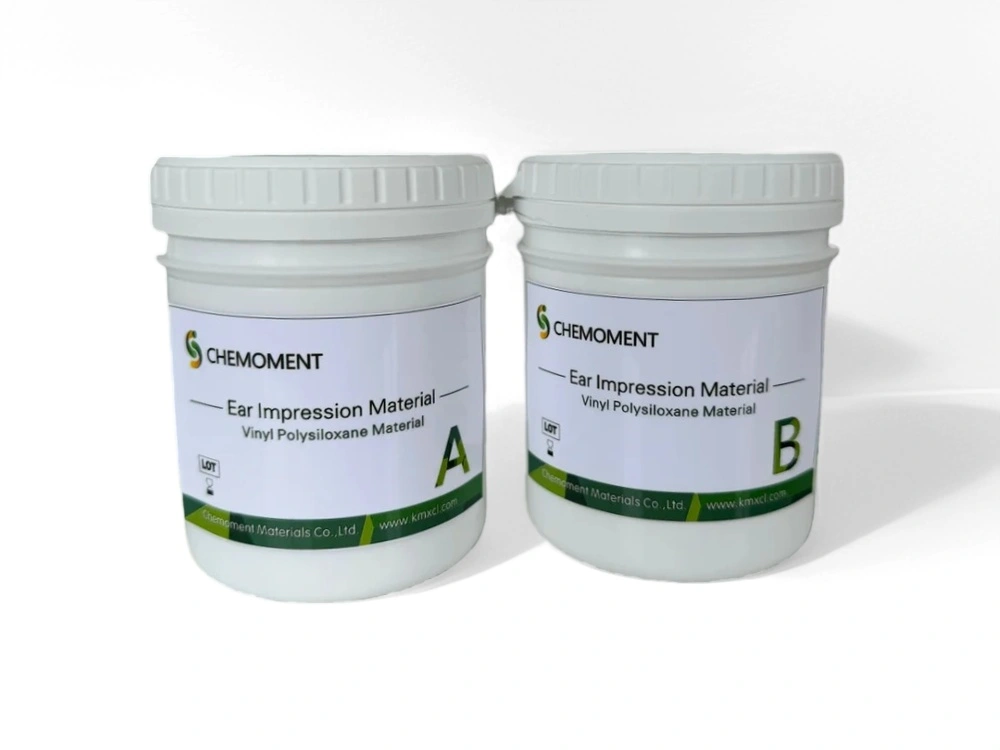
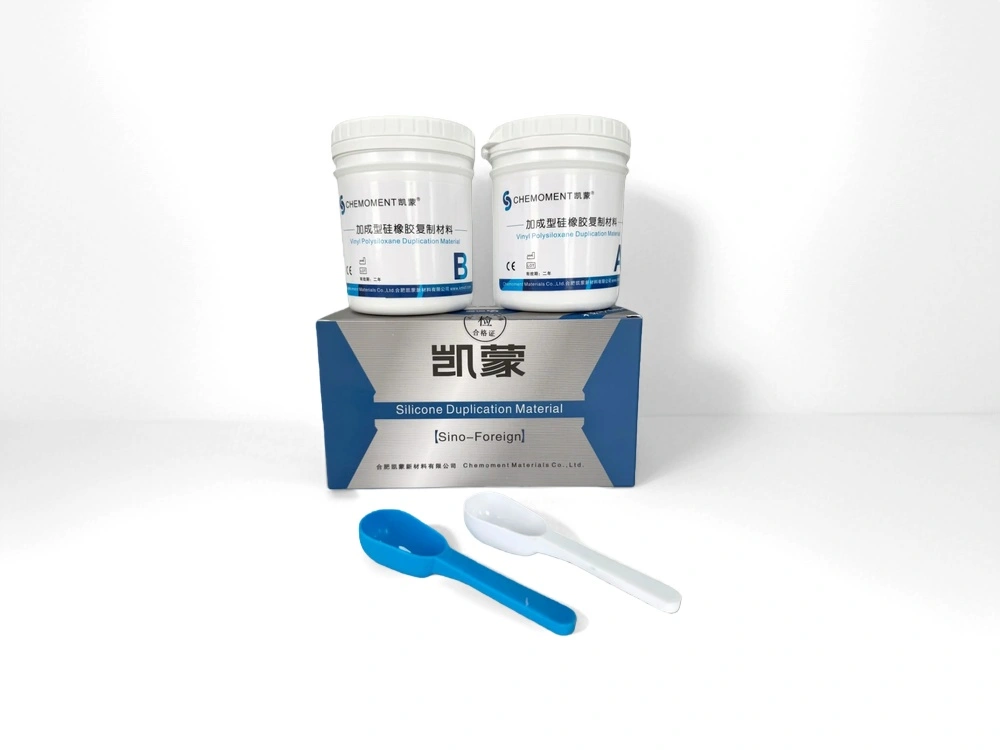

Price matters when comparing dental impression material suppliers, but it should not be the only basis for supplier selection. For dental distributors, clinic groups, laboratories, and OEM buyers, long-term value depends on whether the supplier can provide stable materials, clear technical information, consistent packaging, reliable documentation, and repeatable order support.
This is especially important when sourcing dental VPS impression materials, where handling, viscosity, working time, setting time, and batch consistency directly affect clinical use and customer acceptance.
Why Price Alone Is Not Enough
A low quotation may look attractive during the first comparison, but dental impression materials are not simple commodity items. If the approved sample performs well but later batches differ in handling, timing, hardness, packaging, or instructions, the buyer may face complaints, returns, and unstable repeat orders.
For OEM and private-label buyers, the risk is broader. Material performance, packaging execution, label accuracy, documentation, communication, and shipment coordination all affect whether the product can be introduced smoothly into the target market. A supplier with a slightly lower price may create higher total procurement cost if each order requires repeated corrections or follow-up.
Supplier Evaluation Checklist
| Evaluation Area | What Buyers Should Check | Why It Matters |
|---|---|---|
| Product Range | Putty, light body, medium body, heavy body, bite registration material, laboratory silicone | Supports product line planning instead of single-item purchasing |
| Batch Consistency | Viscosity, working time, setting time, Shore A hardness, handling stability | Reduces customer complaints and protects repeat-order confidence |
| Technical Documentation | TDS, SDS, COA, application guidance, storage condition, shelf life | Helps buyers compare samples and communicate product details locally |
| Sample Support | Application-based sample sets and technical explanation | Improves testing accuracy before bulk purchasing |
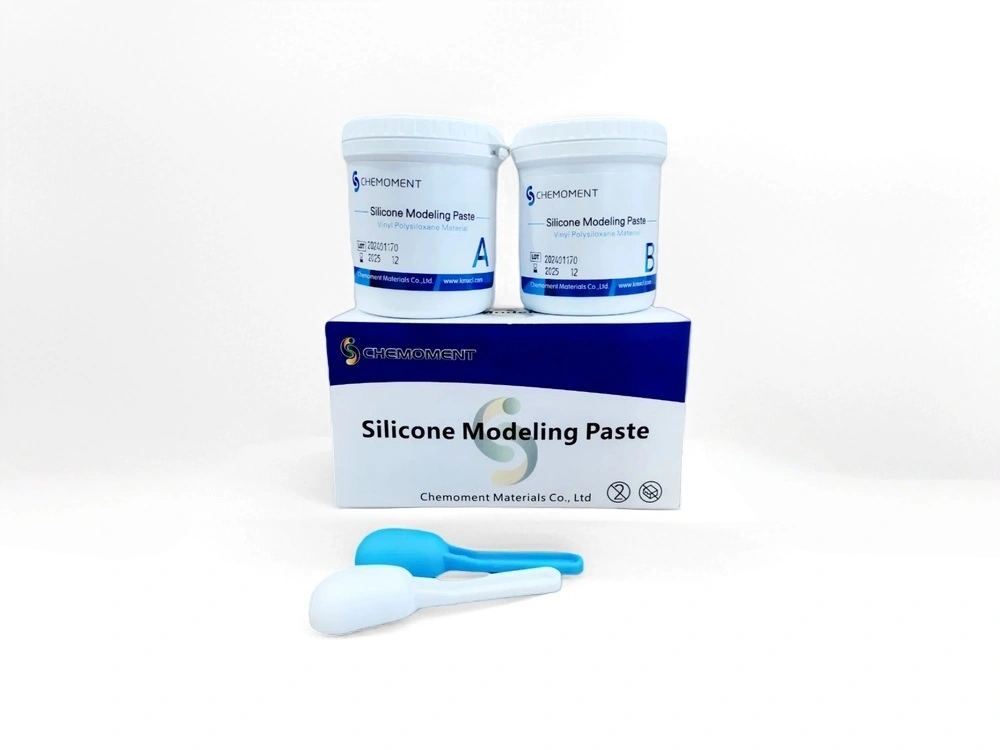
| Packaging Capability | Clinic-ready packs, bulk packs, OEM labels, private-label options | Supports market positioning, distribution, and brand projects |
| Communication | Clear replies, order coordination, export documents, complaint handling | Reduces procurement friction during sampling and repeat orders |
Check Whether the Product Range Fits Your Market
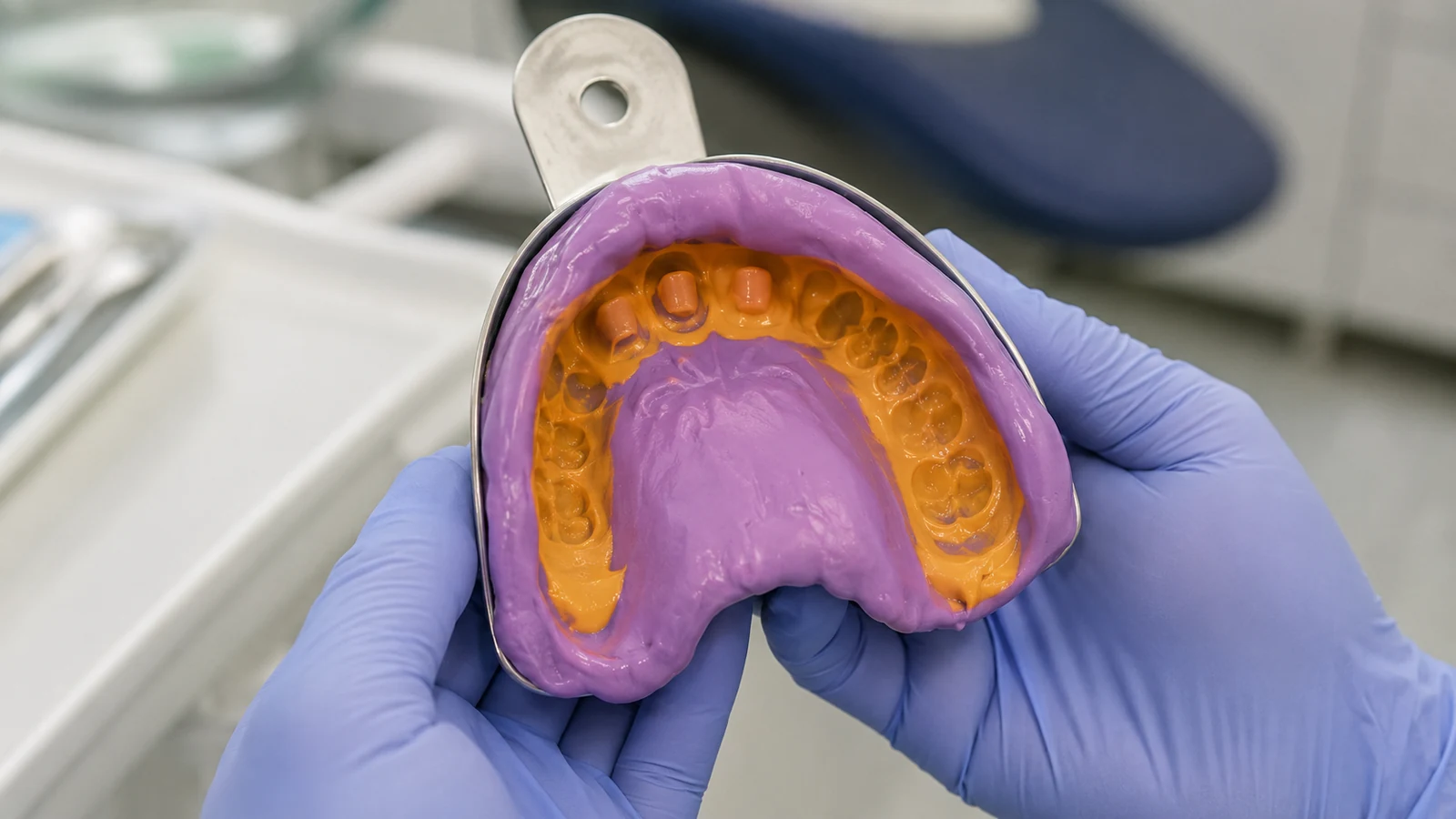
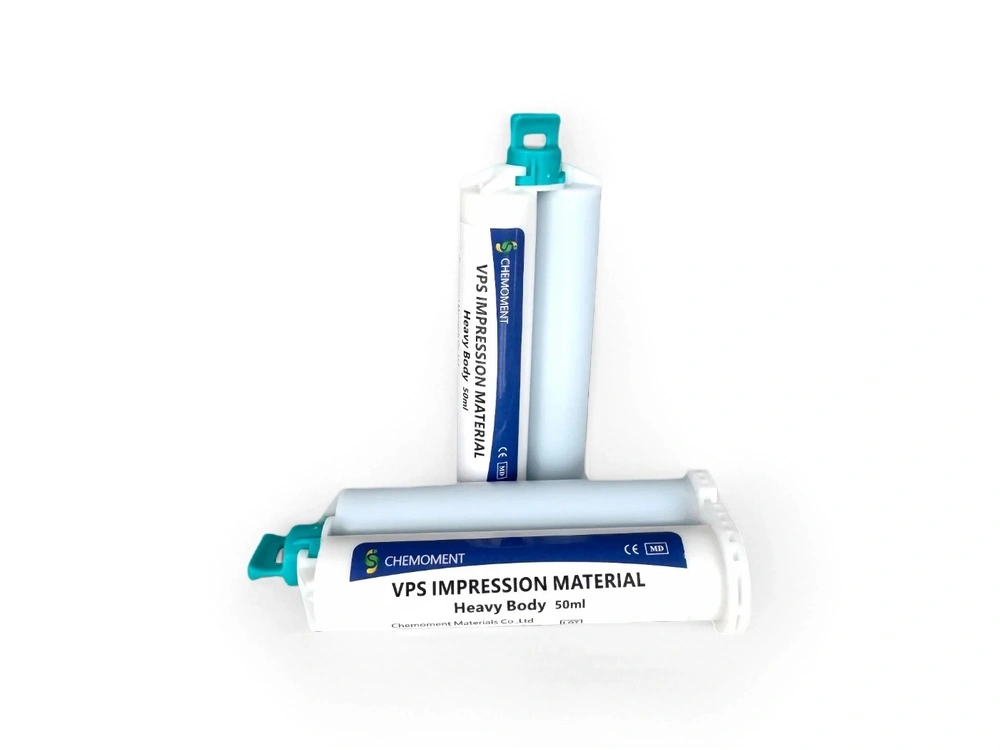
A practical dental impression material supplier should support more than one product. Distributors and OEM buyers often need a structured range that covers putty, light body VPS, medium body VPS, heavy body VPS, bite registration material, and related laboratory silicone products.
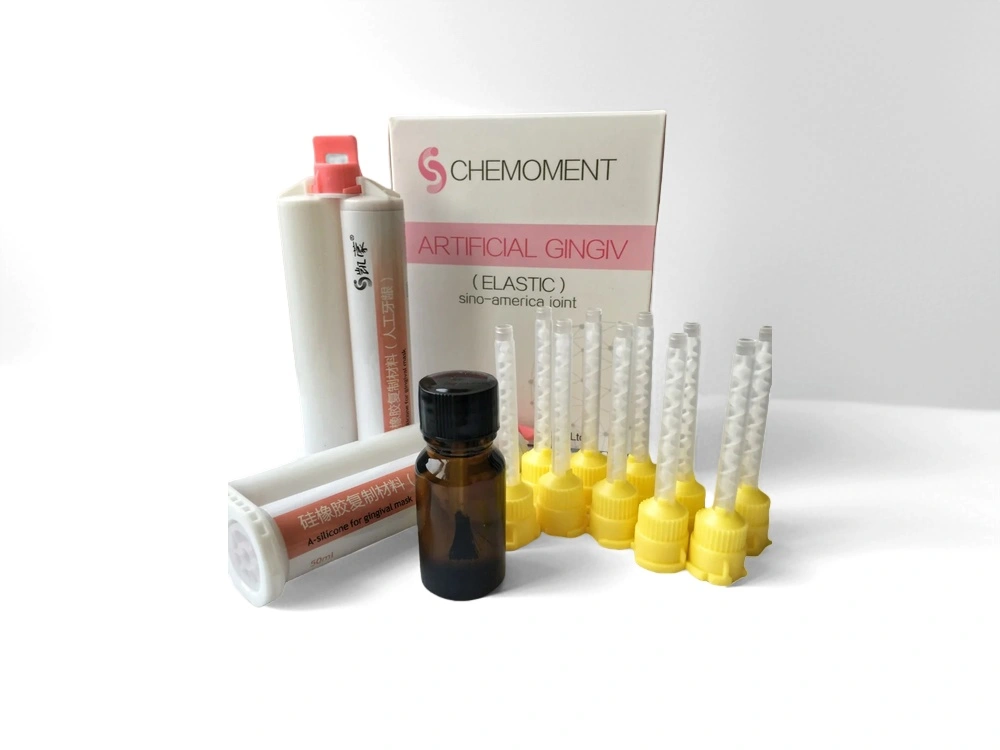
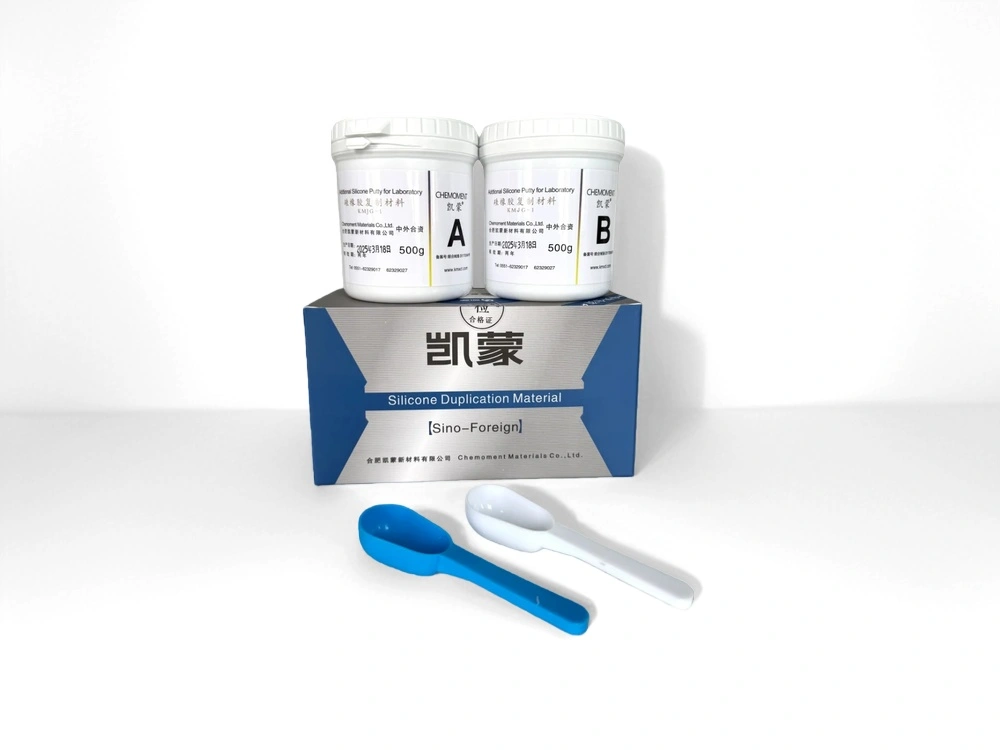
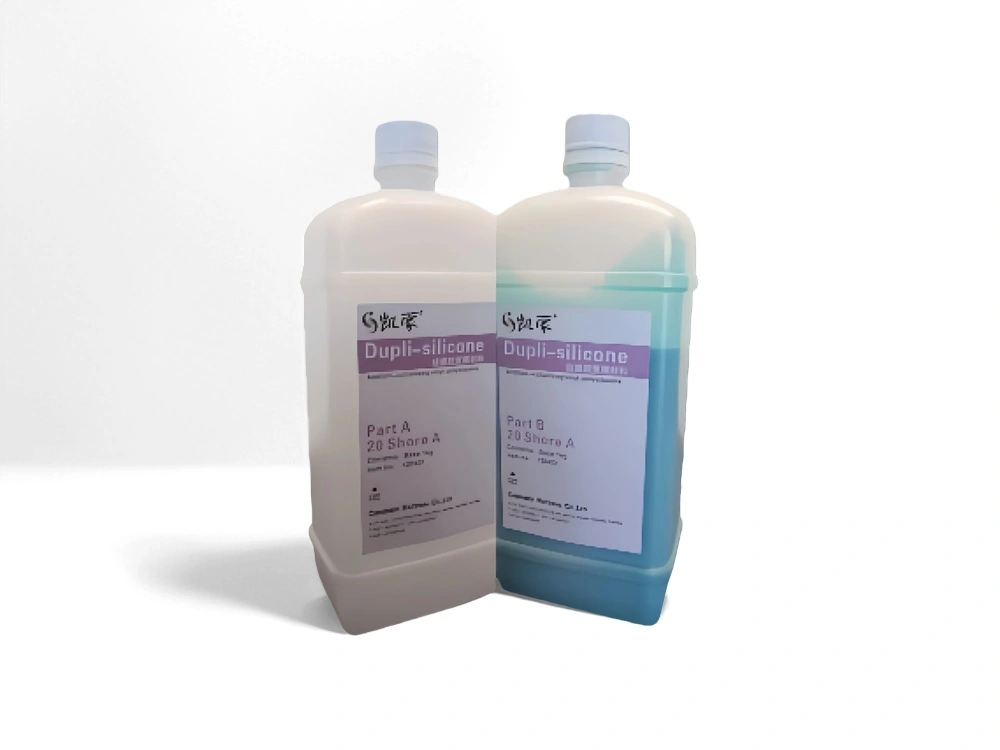
Each material has a different role. Putty provides body and tray support. Light body captures fine detail. Medium body and heavy body offer different flow and support levels. Bite registration material records occlusal relationships. Laboratory silicone may be used for gingival mask, duplication, or model-related procedures.
Buyers can start from the Addition Silicone for Dental Clinic Use category, then compare individual materials by application, viscosity, working time, setting time, hardness, packaging format, and target market.
Confirm Batch Consistency Before Repeat Orders
Sample approval is only the first step. For long-term procurement, buyers need to confirm whether the supplier can keep the approved performance stable across production batches.
For VPS impression materials, batch consistency should include:
- Viscosity and handling feel
- Working time and setting time
- Final hardness, preferably with a clear Shore A range
- Elastic recovery and tear resistance
- Color stability
- Packaging, label, and instruction consistency
If the first shipment performs differently from the approved sample, the buyer may lose customer confidence even when the product name and packaging remain unchanged. For distributors, clinic groups, and private-label buyers, repeatability is often more important than a small price difference.
Ask for Specific Technical Information
A professional supplier should explain product differences with measurable information, not only general claims. Buyers should request data that can be compared during sample testing and internal evaluation.
Useful information includes working time, setting time, mixing ratio, viscosity position, Shore A hardness, elastic recovery, tear resistance, suggested application, packaging format, storage condition, shelf life, TDS, SDS, and COA availability.
For example, buyers evaluating wash materials should understand the difference between light body, medium body, and heavy body VPS impression materials rather than treating them as interchangeable products. Buyers comparing handling time should also review working time and setting time in VPS impression materials, because timing affects tray loading, placement, removal, and chairside efficiency.
Evaluate Packaging and OEM Capability
Packaging is not only a visual issue. For dental distributors and OEM buyers, it affects product presentation, storage, user instructions, local market communication, and repeat-order management.
| Buyer Type | Common Packaging Requirement | Evaluation Focus |
|---|---|---|
| Dental Clinics | Clinic-ready packaging with clear instructions | Daily usability and reduced handling confusion |
| Distributors | Market-ready packaging and stable carton packing | Product presentation, warehouse handling, and repeat sales |
| OEM Buyers | Private-label packaging, artwork coordination, label support | Brand positioning and local market requirements |
| Dental Laboratories | Practical formats for repeated laboratory procedures | Operational efficiency and material control |
For private-label projects, buyers should confirm whether the supplier can support packaging artwork, label content, carton configuration, instructions, export packing, and documentation. Packaging delays are common when these details are reviewed too late.
Sample Support Should Match the Application
Sample testing becomes more useful when the supplier recommends materials according to the intended application. A distributor building a clinic-use VPS range may need putty, light body, medium body, heavy body, and bite registration material together. A laboratory buyer may need gingival mask silicone or duplication silicone instead of clinic-use materials.
When testing putty and wash combinations, buyers should also understand the difference between putty and bite registration material, because the two materials should not be positioned as substitutes.
Distributors Should Review Product Line Fit
| Product Type | Role in the Product Line |
|---|---|
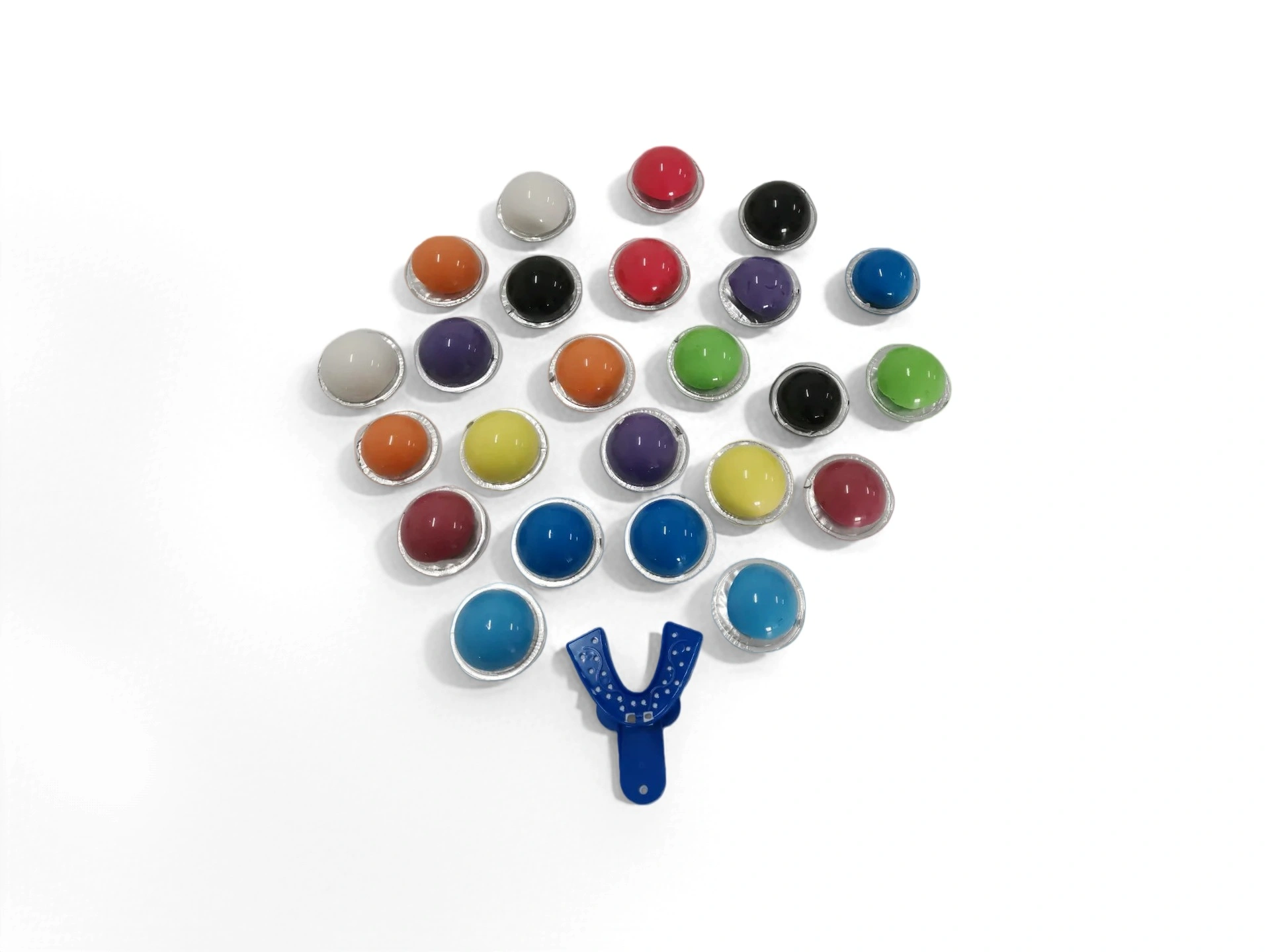
| Putty Impression Material | Supports putty-wash and tray-based impression workflows |
| Light Body VPS | Captures fine detail around margins and prepared areas |
| Medium Body VPS | Provides balanced handling for general impression applications |
| Heavy Body VPS | Offers stronger body and tray support |
| Bite Registration Material | Supports occlusal record taking |
| Gingival Mask Silicone | Supports dental laboratory soft tissue simulation |
| Duplication Silicone | Supports model duplication and laboratory replication |
For broader product planning, buyers can review dental impression material types before deciding which products should be included in the initial purchase plan.
OEM Buyers Should Confirm Commercial Details Early
OEM and private-label buyers need more than acceptable material performance. They also need packaging execution, label coordination, documentation support, export communication, and repeat-order control.
Before confirming an OEM dental impression material supplier, buyers should check:
- Whether the product range fits the target market
- Whether timing, viscosity, and hardness match the intended application
- Whether packaging format and label requirements can be coordinated
- Whether TDS, SDS, COA, and product information can be provided clearly
- Whether repeat batches can remain consistent after sample approval
- Whether the supplier can support export documents and shipment follow-up
A material may pass sample testing, but commercialization can still be difficult if packaging, labeling, documentation, or communication is unstable.
Communication and Lead Time Affect Supplier Reliability
Some suppliers perform well during quotation and sampling but become difficult to manage after order confirmation. Delayed replies, unclear lead time, poor packaging confirmation, incomplete export documents, or slow complaint response can create procurement risk even when the material itself is acceptable.
For repeat orders, buyers should evaluate response speed, production planning, lead time discipline, packaging confirmation process, export document coordination, and long-term supply continuity. In dental material sourcing, communication quality is part of supplier reliability.
Information Buyers Should Prepare Before Requesting a Quote
| Information to Provide | Example | Purpose |
|---|---|---|
| Target Application | Clinic impression, bite registration, lab duplication, gingival mask | Helps the supplier recommend suitable material types |
| Preferred Material Type | Putty, light body, medium body, heavy body, bite registration | Improves sample selection accuracy |
| Technical Requirements | Working time, setting time, hardness, viscosity | Helps match handling and performance expectations |
| Target Market | Distributor market, clinic group, private label, dental laboratory | Helps match packaging and documentation requirements |
| Packaging Requirement | Clinic-ready pack, bulk pack, OEM label | Supports quotation and production planning |
| Estimated Quantity | Trial order, distributor stock, repeat order plan | Supports price, lead time, and supply planning |
Conclusion
The lowest quotation is not always the strongest procurement choice. A reliable dental impression material supplier should support stable material quality, clear technical positioning, practical packaging, responsive communication, and repeatable order execution.
Before requesting samples or bulk quotations, buyers should prepare the intended application, material type, required working time, setting time, viscosity, hardness, packaging format, target market, and estimated order quantity. This helps the supplier recommend suitable materials and prepare a more accurate quotation.
Evaluating a Supplier for U.S. Distribution
For a U.S. distributor or private label project, compare the exact VPS products and pack formats you plan to sell. Request product-specific technical documents, agree on the sample acceptance criteria and confirm labeling, minimum order quantities and lead times before approving a repeat-order plan.